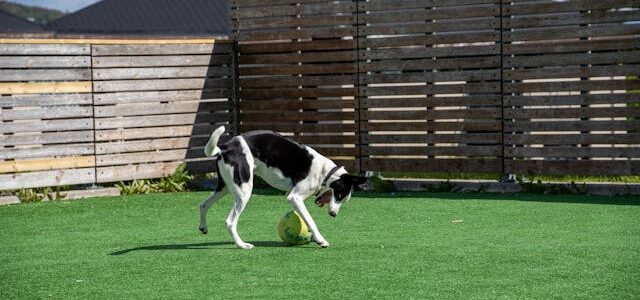
Synthetic turf has become a popular choice for homeowners looking for a low-maintenance and visually appealing alternative to natural grass. However, while synthetic turf is significantly easier to care for than a traditional lawn, it still requires some upkeep to keep it looking its best.
Article Sponsored By: Parking Lot Striping Texarkana
In this article, we’ll explore practical tips to maintain synthetic turf and ensure its longevity and pristine appearance.
Regular Cleaning
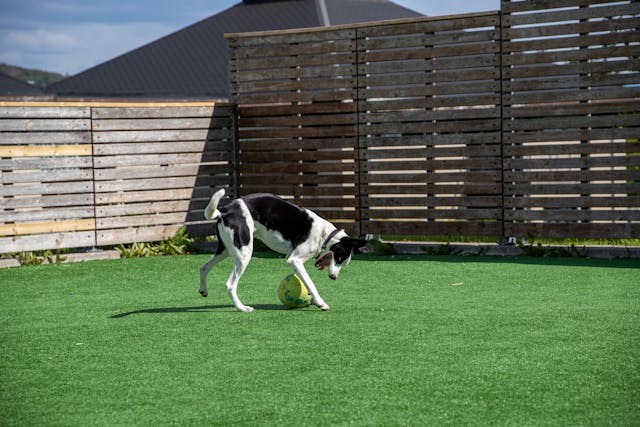
One of the most important aspects of maintaining synthetic turf is keeping it clean. Dust, dirt, leaves, and other debris can accumulate over time, affecting the turf’s appearance and functionality. A quick sweep with a leaf blower or a soft-bristled broom every few weeks can help keep your turf debris-free. For areas with heavy traffic or pets, consider using a garden hose to rinse the turf occasionally, ensuring that dirt and small particles are washed away.
Brushing the Turf
Over time, synthetic turf fibers can become matted due to foot traffic, furniture, or heavy use. To keep your turf looking lush and upright, brush it regularly with a synthetic bristle brush. Avoid using brushes with metal bristles, as they can damage the turf. Focus on high-traffic areas, brushing the fibers in multiple directions to ensure they remain standing.
Dealing with Stains and Spills
While synthetic turf is resistant to most stains, occasional spills may occur, especially if you use your turf for entertaining or have pets. For minor spills like coffee, juice, or food, use a mixture of warm water and a mild detergent to clean the area. Apply the solution with a sponge or cloth, then rinse thoroughly with water. For more stubborn stains like oil or grease, specialized turf cleaning products are available that can help lift the stain without damaging the material.
Pet Waste Management
Synthetic turf is a fantastic option for pet owners, but managing pet waste requires a little attention. Solid waste should be removed promptly, and the area can be rinsed with water to eliminate any residue. For urine, rinsing the turf regularly with water is usually sufficient. However, to keep odors at bay, consider using a pet-friendly turf deodorizer or a mixture of water and white vinegar as a natural solution.
Weed Prevention
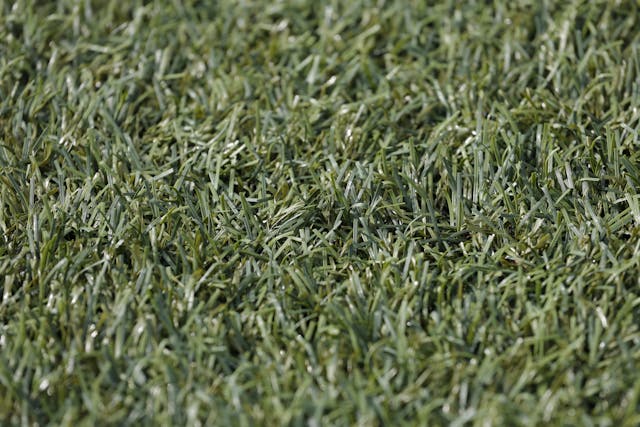
Although synthetic turf is designed to resist weed growth, it’s not entirely immune. Weeds may occasionally sprout along the edges or in seams. To combat this, inspect your turf periodically and remove any visible weeds by hand. Applying a weed barrier during installation or using a water-based weed killer designed for synthetic turf can also help prevent growth.
Protecting the Turf
Synthetic turf is durable, but it can still be damaged by certain activities or objects. Avoid placing hot objects like grills or fire pits directly on the turf, as the heat can melt the fibers. Similarly, be cautious with sharp objects, heavy furniture, or tools that could puncture or tear the turf. Use furniture with rounded edges or place pads under heavier items to distribute weight evenly.
Maintaining Proper Drainage
One of the benefits of synthetic turf is its ability to drain water efficiently. However, over time, drainage systems can become clogged with dirt, debris, or infill material. Regularly inspect the turf and ensure that water flows freely after rainfall or rinsing. If you notice pooling, it may be necessary to clean the drainage system or add more infill to level the surface.
Refreshing the Infill
Infill is an essential component of synthetic turf, helping to provide support for the fibers and improve the overall feel of the surface. Over time, the infill can become compacted or uneven, especially in high-use areas. To maintain the performance and appearance of your turf, consider adding or redistributing infill as needed. Common infill materials include silica sand, rubber, and organic options like cork or coconut fiber.
Seasonal Maintenance
Synthetic turf requires minimal adjustments for seasonal changes, but a few considerations can help you stay ahead of potential issues. In the fall, clear leaves and debris promptly to prevent buildup. During winter, avoid using metal shovels or de-icing chemicals that could damage the turf. Instead, use a plastic shovel or broom to gently remove snow. For areas with extreme temperatures, check the turf for signs of wear and ensure proper drainage to handle heavy rains or melting snow.
Inspecting for Repairs
Regular inspection of your synthetic turf can help you identify and address small issues before they become major problems. Look for any loose seams, edges, or areas where the turf may be lifting. Repairing these issues promptly can extend the life of your turf and prevent more significant damage. Many manufacturers provide repair kits, or you can consult a professional for assistance.
Synthetic turf offers homeowners a beautiful and low-maintenance alternative to natural grass, but a little care goes a long way in preserving its appearance and functionality. By following these simple maintenance tips, you can ensure that your turf remains in excellent condition for years to come. With regular cleaning, brushing, and occasional inspections, your synthetic turf will continue to look fresh and vibrant, making it a valuable addition to your outdoor space.
Thank you for visiting our site. We hope you are finding some great information that is helpful to you. If you have any questions please contact us today. We also ask that you visit our sponsor, Texarkana Parking Lot Striping.